Understanding Natural Cycles: Rainwater to Food
- Оливера Лучић
- May 13
- 4 min read

Natural cycles are the backbone of our ecosystem, playing a crucial role in the way we produce food and manage resources. One of the most significant cycles is the water cycle, which directly influences agriculture and food production. This blog post will explore how rainwater transforms into food, the importance of sustainable practices, and how we can harness these natural processes to ensure a healthy future.
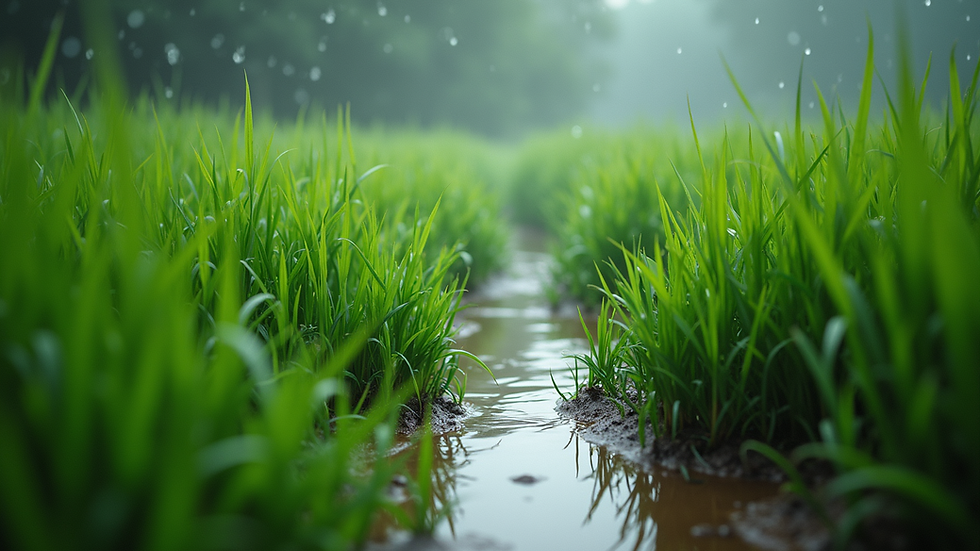
The Water Cycle: An Overview
The water cycle, also known as the hydrological cycle, describes the continuous movement of water on, above, and below the surface of the Earth. This cycle consists of several key processes:
Evaporation: Water from oceans, rivers, and lakes turns into vapor and rises into the atmosphere.
Condensation: Water vapor cools and condenses into clouds.
Precipitation: Eventually, the clouds release water in the form of rain, snow, or hail.
Collection: Rainwater collects in bodies of water, infiltrates the ground, and replenishes aquifers.
Understanding this cycle is essential for effective water management, especially in agriculture, where water is a critical resource.
The Role of Rainwater in Agriculture
Rainwater is a vital resource for agriculture, providing the necessary moisture for crops to grow. Here are some key points about its role:
Irrigation: Many farmers rely on rainwater for irrigation. It reduces the need for artificial irrigation systems, which can be costly and energy-intensive.
Soil Health: Rainwater helps maintain soil moisture levels, which is crucial for plant growth. Healthy soil retains nutrients and supports diverse ecosystems.
Cost-Effective: Utilizing rainwater can lower water bills for farmers, making it a sustainable choice for agricultural practices.
Sustainable Practices for Rainwater Harvesting
To maximize the benefits of rainwater, farmers can implement sustainable practices:
Rainwater Harvesting Systems: Installing systems to collect and store rainwater can provide a reliable water source during dry periods.
Contour Farming: This technique involves plowing along the contours of the land to reduce runoff and increase water absorption.
Mulching: Applying organic materials to the soil surface helps retain moisture and reduce evaporation.
By adopting these practices, farmers can enhance their resilience to climate change and ensure a steady food supply.
The Connection Between Rainwater and Food Production
The journey from rainwater to food involves several stages:
Collection: Rainwater is collected through various systems, such as rain barrels or cisterns.
Storage: The collected water is stored for later use, ensuring a consistent supply during dry spells.
Irrigation: Farmers use the stored rainwater to irrigate crops, promoting healthy growth and higher yields.
Harvesting: Once the crops mature, they are harvested and prepared for consumption.
This cycle not only supports food production but also emphasizes the importance of water conservation.
The Importance of Soil in the Rainwater-Food Cycle
Soil plays a critical role in the rainwater-food cycle. Healthy soil acts as a sponge, absorbing and retaining water. Here are some key aspects of soil health:
Nutrient Retention: Healthy soil retains essential nutrients, which are vital for plant growth.
Microbial Activity: Soil is home to various microorganisms that help break down organic matter, releasing nutrients into the soil.
Water Filtration: Soil acts as a natural filter, purifying rainwater as it seeps into the ground.
Farmers can enhance soil health through practices such as crop rotation, cover cropping, and reduced tillage.
Challenges in the Rainwater-Food Cycle
Despite the benefits of rainwater in food production, several challenges exist:
Climate Change: Changes in weather patterns can lead to unpredictable rainfall, affecting crop yields.
Pollution: Contaminants in rainwater can harm soil and crops, making it essential to monitor water quality.
Infrastructure: Many regions lack the necessary infrastructure for effective rainwater harvesting and storage.
Addressing these challenges requires collaboration between farmers, policymakers, and researchers to develop innovative solutions.
Innovative Technologies for Rainwater Management
Advancements in technology are transforming the way we manage rainwater in agriculture. Some innovative solutions include:
Smart Irrigation Systems: These systems use sensors to monitor soil moisture levels, optimizing water usage and reducing waste.
Rainwater Filtration Systems: Advanced filtration technologies can purify rainwater, making it safe for irrigation and consumption.
Data Analytics: Utilizing data analytics can help farmers predict rainfall patterns and make informed decisions about water management.
By embracing these technologies, farmers can improve efficiency and sustainability in their operations.
The Future of Food Production and Rainwater
As the global population continues to grow, the demand for food will increase. Sustainable practices that harness rainwater will be essential in meeting this demand. Here are some future trends to consider:
Urban Agriculture: As cities expand, urban agriculture will play a crucial role in food production. Rainwater harvesting systems can support rooftop gardens and community farms.
Regenerative Agriculture: This approach focuses on restoring soil health and biodiversity, making it more resilient to climate change.
Policy Support: Governments can promote rainwater harvesting through incentives and regulations, encouraging farmers to adopt sustainable practices.
Conclusion
Understanding the natural cycles that connect rainwater to food production is vital for creating a sustainable future. By implementing effective rainwater management practices, we can enhance agricultural resilience, improve soil health, and ensure a steady food supply. As we face the challenges of climate change and population growth, embracing these natural processes will be essential for a thriving planet.
The journey from rainwater to food is a testament to the intricate connections within our ecosystem. By recognizing and supporting these cycles, we can build a more sustainable and food-secure future for generations to come.

Comments