Collaboration for Sustainable Composting Solutions
- Оливера Лучић
- May 13
- 4 min read

Composting is more than just a method of waste management; it is a vital practice that can significantly contribute to environmental sustainability. As communities and organizations increasingly recognize the importance of reducing waste and enriching soil health, collaboration emerges as a key strategy for developing effective composting solutions. This blog post explores how partnerships can enhance composting efforts, the benefits of sustainable practices, and practical examples of successful collaborations.
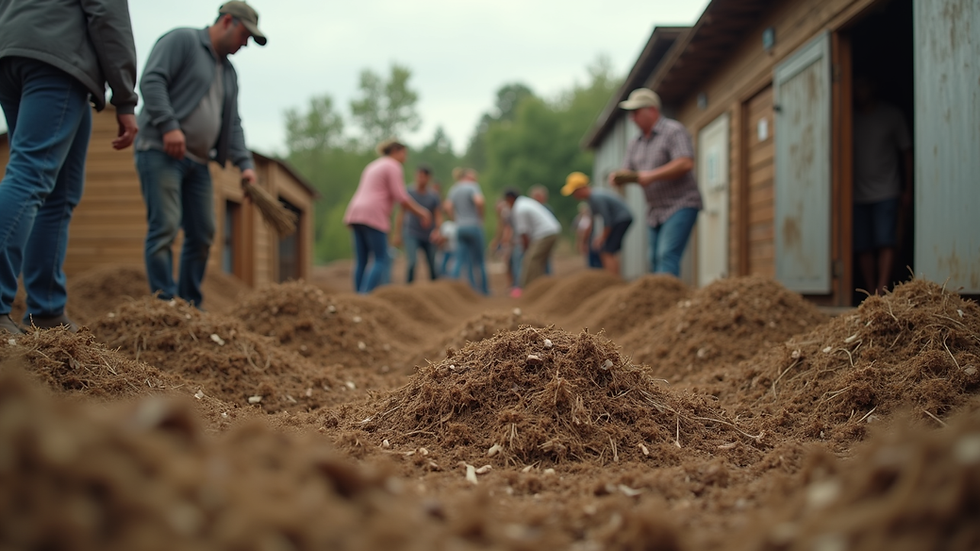
Understanding the Importance of Composting
Composting transforms organic waste into nutrient-rich soil, reducing landfill waste and greenhouse gas emissions. Here are some compelling reasons why composting is essential:
Waste Reduction: Composting diverts organic materials from landfills, where they would otherwise decompose anaerobically, producing methane—a potent greenhouse gas.
Soil Health: Compost enriches soil, improving its structure, water retention, and nutrient content, which is crucial for healthy plant growth.
Biodiversity Support: Healthy soil fosters diverse ecosystems, supporting various plant and animal life.
Community Engagement: Composting initiatives can bring communities together, fostering a sense of responsibility and environmental stewardship.
The Role of Collaboration in Composting
Collaboration can take many forms, from partnerships between local governments and non-profits to community-led initiatives. Here are some ways collaboration enhances composting efforts:
Shared Resources
By pooling resources, organizations can create more effective composting programs. This might include sharing equipment, facilities, or educational materials. For example, a local government could partner with a non-profit to establish a community composting site, sharing the costs and responsibilities.
Knowledge Exchange
Collaboration allows for the sharing of best practices and innovative ideas. Workshops and training sessions can be organized to educate community members about composting techniques, benefits, and maintenance. This knowledge transfer can empower individuals to start their own composting initiatives.
Increased Participation
When organizations collaborate, they can reach a broader audience. Joint marketing efforts can raise awareness about composting programs, encouraging more people to participate. For instance, a school district might partner with local businesses to promote composting in schools, leading to increased student engagement.
Successful Examples of Collaborative Composting Initiatives
Community Composting Programs
Many cities have successfully implemented community composting programs through collaboration. For instance, San Francisco's Zero Waste program involves partnerships with local businesses, residents, and non-profits to divert organic waste from landfills. The city provides resources and support, while community members actively participate in composting efforts.
School-Based Initiatives
Schools are excellent venues for composting education and practice. In Portland, Oregon, a collaboration between the school district and local environmental organizations has led to the implementation of composting programs in schools. Students learn about composting while actively participating in the process, fostering a culture of sustainability.
Urban Gardening Projects
Urban gardening initiatives often incorporate composting as a key component. In New York City, community gardens collaborate with local composting organizations to create compost from kitchen scraps and yard waste. This not only enriches the soil for the gardens but also engages community members in sustainable practices.
Overcoming Challenges in Collaborative Composting
While collaboration offers numerous benefits, it also presents challenges. Here are some common obstacles and strategies to overcome them:
Communication Barriers
Effective communication is crucial for successful collaboration. Establishing clear channels of communication and regular meetings can help ensure that all parties are on the same page. Utilizing digital tools like project management software can facilitate information sharing.
Resource Allocation
Determining how to allocate resources fairly can be challenging. Establishing clear agreements and responsibilities at the outset can help mitigate conflicts. Regular evaluations of resource use can also ensure that all partners feel valued.
Engaging the Community
Getting community members involved can be difficult, especially in areas where composting is not widely practiced. Hosting events, workshops, and informational sessions can help raise awareness and encourage participation. Collaborating with local influencers or organizations can also amplify outreach efforts.
The Future of Collaborative Composting
As the urgency for sustainable practices grows, the future of composting will likely rely heavily on collaboration. Here are some trends to watch:
Technological Integration
Advancements in technology can enhance composting efforts. For example, mobile apps can help track composting progress, connect users with local composting resources, and provide educational materials. Collaborative efforts can leverage these technologies to improve program efficiency.
Policy Support
Governments are increasingly recognizing the importance of composting in waste management strategies. Collaborative advocacy efforts can lead to policies that support composting initiatives, such as funding for community programs or incentives for businesses to participate.
Global Partnerships
As composting becomes a global priority, international collaborations can share knowledge and resources across borders. Organizations can learn from each other's successes and challenges, creating a more unified approach to composting worldwide.
Conclusion
Collaboration is essential for developing sustainable composting solutions that benefit communities and the environment. By working together, organizations can share resources, knowledge, and enthusiasm for composting, leading to more effective programs and greater community engagement. As we move forward, embracing collaboration will be key to achieving our sustainability goals and fostering a healthier planet.
Call to Action
If you're interested in starting or enhancing a composting initiative in your community, consider reaching out to local organizations, schools, or government agencies. Together, we can create a more sustainable future through effective composting practices.


Comments