Transforming Rainwater into Compost Sustainably
- Оливера Лучић
- May 13
- 3 min read

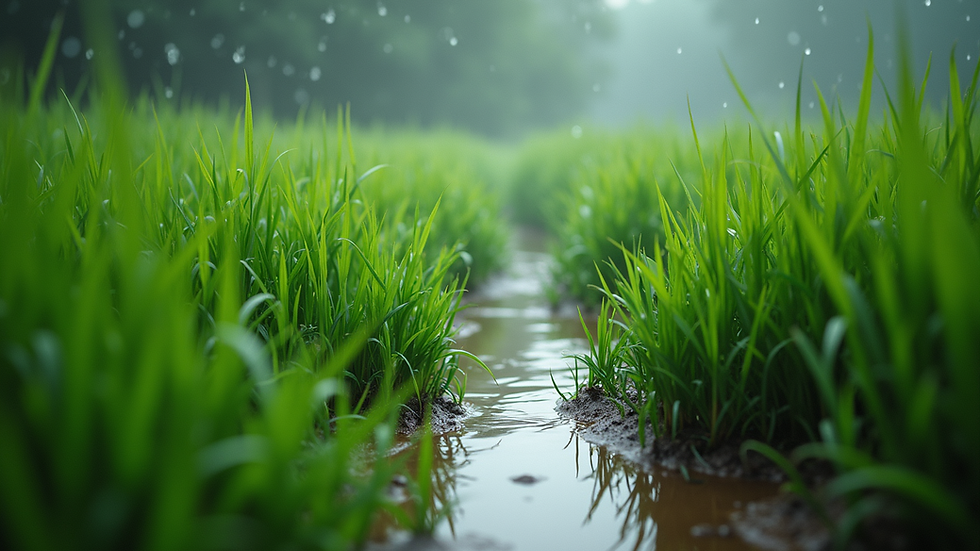
Rainwater harvesting is not just a sustainable practice; it can also be a game-changer for your composting efforts. By utilizing rainwater, you can enhance the composting process, making it more efficient and environmentally friendly. This blog post will explore how to transform rainwater into compost sustainably, providing practical tips and insights for anyone looking to improve their gardening or farming practices.

Understanding Rainwater Harvesting
Rainwater harvesting involves collecting and storing rainwater for various uses, including irrigation, drinking, and even composting. This method not only conserves water but also reduces runoff and erosion. Here are some key benefits of rainwater harvesting:
Water Conservation: Collecting rainwater reduces reliance on municipal water supplies.
Cost Savings: Using rainwater can lower water bills, especially for gardening and landscaping.
Environmental Impact: Harvesting rainwater helps mitigate flooding and reduces stormwater runoff.
How Rainwater Enhances Composting
Using rainwater in your composting process can significantly improve the quality of your compost. Here’s how:
Moisture Regulation: Compost needs moisture to break down organic materials effectively. Rainwater is often softer and free of chemicals found in tap water, making it ideal for maintaining the right moisture levels.
Nutrient-Rich: Rainwater can contain dissolved nutrients that benefit the composting process. These nutrients can enhance microbial activity, leading to faster decomposition.
Temperature Control: The temperature of rainwater is usually cooler than tap water, which can help regulate the temperature of your compost pile, preventing overheating.
Setting Up a Rainwater Harvesting System
To get started with rainwater harvesting for composting, you’ll need a few essential components:
1. Collection System
A rainwater collection system typically includes:
Gutters: These direct rainwater from your roof into a storage container.
Downspouts: These carry water from the gutters to the storage tank.
Storage Tank: This can be a barrel, tank, or cistern where rainwater is stored.
2. Filtration System
To ensure the water is clean, consider adding a filtration system. This can include:
Mesh Screens: To keep out leaves and debris.
First Flush Diverters: These divert the initial dirty runoff away from the storage tank.
3. Distribution System
Once collected, you’ll need a way to distribute the rainwater to your compost pile. This can be done using:
Hoses: To directly water the compost.
Drip Irrigation: For more controlled moisture application.
Best Practices for Using Rainwater in Composting
To maximize the benefits of rainwater in your composting efforts, follow these best practices:
1. Monitor Moisture Levels
Regularly check the moisture content of your compost. The ideal moisture level is around 40-60%. If it feels too dry, add rainwater gradually until you reach the desired consistency.
2. Use a Compost Thermometer
A compost thermometer can help you monitor the internal temperature of your compost pile. This is crucial for ensuring that the composting process is active and efficient. If the temperature rises too high, you may need to add rainwater to cool it down.
3. Balance Carbon and Nitrogen
For effective composting, maintain a balance between carbon-rich (browns) and nitrogen-rich (greens) materials. Rainwater can help break down these materials, so ensure you have a good mix to facilitate decomposition.
4. Aerate Your Compost
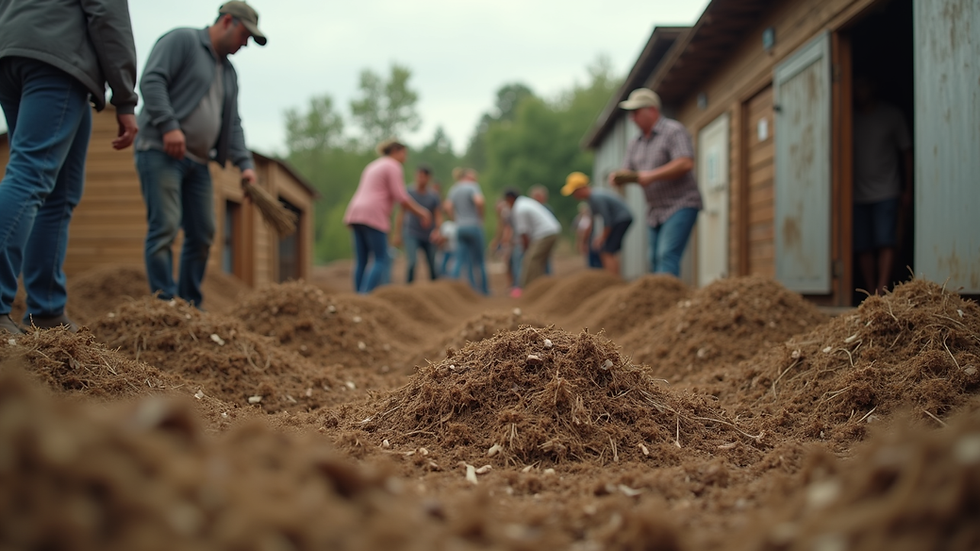
Aeration is essential for composting. Turn your compost pile regularly to introduce oxygen, which helps speed up the decomposition process. If the pile feels too dry, use rainwater to moisten it while aerating.
Troubleshooting Common Issues
Even with the best practices, you may encounter challenges when using rainwater in composting. Here are some common issues and solutions:
1. Odor Problems
If your compost emits a foul smell, it may be too wet or lacking in aeration. To fix this:
Add more carbon-rich materials.
Turn the compost pile to improve airflow.
Allow it to dry out slightly before adding more rainwater.
2. Pests and Rodents
Excess moisture can attract pests. To deter them:
Cover your compost pile with a tarp during heavy rain.
Use a compost bin with a lid to keep pests out.
3. Slow Decomposition
If your compost is breaking down slowly, consider:
Adding more nitrogen-rich materials.
Ensuring proper moisture levels with rainwater.
Turning the pile more frequently to introduce oxygen.
Conclusion
Transforming rainwater into compost sustainably is not only beneficial for your garden but also for the environment. By implementing a rainwater harvesting system and following best practices, you can create nutrient-rich compost that supports healthy plant growth. Start your journey towards sustainable gardening today by harnessing the power of rainwater.
Remember, every drop counts, and your efforts can make a significant impact on the planet. So, gather your materials, set up your system, and watch your garden thrive!
Comments